
Removing or Relocating a Mezzanine Floor in Singapore
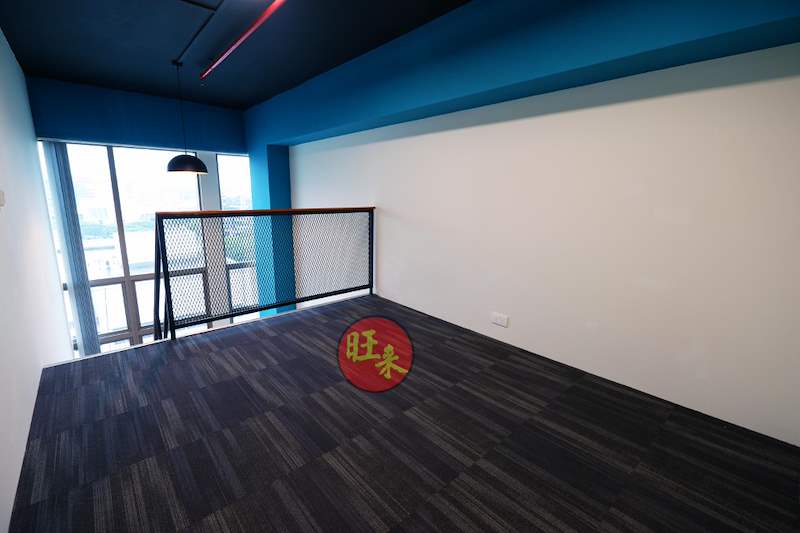
We've dismantled and relocated more than a few mezzanine floors over the years—some because the tenant moved, some because a warehouse layout changed, and some because a new landlord wanted the floor gone before handover. It's not the sort of work that shows up in marketing brochures, but it's real, it happens often, and it involves more than just undoing bolts.
Here's what we've learned doing the actual demolition, transport, and reinstatement work.
Why Mezzanines Get Removed or Relocated
The most common reason we're called in: a company is moving premises and wants to take the mezzanine with them. If the floor was designed well—bolted construction, standard beam spans, no custom welding—it's often cheaper to dismantle and reinstall than to build new at the next site.
The second reason: lease handover requirements. Some landlords want the space returned to its original configuration. If the mezzanine was installed without proper BCA approval or if the landlord simply doesn't want a permanent structure left behind, we're asked to remove it cleanly and reinstate the floor slab below.
Third: layout changes. A 3PL operator might need to swap out a mezzanine-based pick zone for high-bay VNA racking, or vice versa. We've done both—taking out floors to make vertical clearance, and installing new ones when a tenant shifts from palletised bulk to carton pick.
What We Check Before We Start Dismantling
The first thing we do is confirm what was actually built. If we originally fabricated and installed the floor, we already have the drawings and the PE cert. If it was someone else's work, we ask for the original structural drawings and any BCA/SCDF submission records.
Why? Because not all mezzanines were installed with approval, and not all were built to the drawings that were submitted. We've turned up to jobs where the floor had been extended off-record, or where additional point loads (compressors, water tanks, archive shelving) were added later without checking the original loading allowance.
If the floor is being relocated, we also do a quick structural assessment to see if the steel is still fit for reuse. Surface rust is fine—we clean and repaint. But if there's been impact damage to columns, or if beams show visible deflection under load, we flag those members for replacement before reinstallation.
We also confirm the new site's slab capacity and ceiling height. A mezzanine that worked in a 10-metre warehouse won't fit in a 6-metre one, and a floor rated for 5 kN/m² on a reinforced slab might exceed the capacity of a thinner industrial pour elsewhere.
The Dismantling Process
We work top-down: remove decking first, then beams, then columns, then base plates. Everything is labelled as it comes off—we use paint markers and masking tape with grid references so we know what goes where if we're reinstalling to the same layout.
Decking depends on what was originally installed. Checkered plate and grating can be reused if it's not bent. Chipboard and plywood usually get disposed of unless it's still in very good condition—moisture and forklift traffic tend to degrade it over time.
Beams and columns are inspected piece by piece. If the floor was bolted (which is how we build all our mezzanines), disassembly is straightforward. If it was welded, we cut and grind, which means those members can't be reused without re-fabrication.
We also disconnect and cap any services that were routed through or onto the mezzanine—lighting, sprinkler drops, compressed air lines. If SCDF was involved in the original approval (because the floor affected means of escape or sprinkler coverage), we notify them that the structure is being removed, especially if it's a permanent demolition.
Transporting and Storing the Steel
If the mezzanine is being relocated immediately, we load the steel onto our lorries and deliver it to the new site. If there's a gap between move-out and move-in, we can store the components at our yard—though we encourage clients to minimise storage time, because even under shelter, steel will pick up surface rust and need more prep work later.
Longer members—anything over 6 metres—need proper securing for transport. We've seen contractors try to move mezzanine beams on flatbeds without adequate tie-downs; it's a safety risk and a good way to bend steel. We use cradles and ratchet straps rated for the load.
Reinstatement at the New Site
Reinstallation follows the same process as a new build: site survey, layout drawing, slab check, then installation. Even if we're reusing the same steel, the new space almost always requires layout adjustments—different column spacing, different stair locations, different clearance around existing racking or machinery.
We re-certify the structure with a fresh PE stamp. The original cert doesn't transfer to a new location, because the loading conditions, slab capacity, and seismic/wind factors are site-specific. If the mezzanine area or use requires BCA submission, we handle that as part of the reinstatement scope.
If any members were damaged or lost during dismantling, we fabricate replacements in-house to match the original specs. Paint touch-up is standard—we clean, prime, and top-coat any areas where the finish was chipped or scratched during removal.
New staircases and handrails are sometimes needed if the new layout doesn't suit the old configuration. We fabricate those to the same MS specs as the rest of the floor, with everything TIG-welded and powder-coated.
Demolition Without Relocation
If the mezzanine is being removed permanently and not reinstalled elsewhere, the process is simpler but still needs care. We dismantle the same way—top-down, controlled—and we dispose of the steel responsibly. Most of it goes to scrap metal recyclers; we don't just dump it.
We also reinstate the floor slab below. That means patching anchor bolt holes with epoxy grout, cleaning oil stains, and sometimes re-levelling if the slab was modified during the original mezzanine install. If the landlord requires an engineer's sign-off that the slab has been returned to its original condition, we coordinate that through our PE.
For leased warehouses, we've also handled reinstatement of ceiling tiles, lighting, and sprinkler heads that were relocated or removed to accommodate the mezzanine. It's not structural work, but it's part of returning the space to handover standard.
What This Work Actually Costs
Dismantling and reinstalling a mezzanine is not free, but it's usually cheaper than building new—provided the steel is in good condition and the new layout is similar to the old one.
As a rough guide, we estimate dismantling and relocation at around 50–70% of the cost of a new mezzanine of the same size, depending on transport distance, storage time, how much re-fabrication is needed, and whether the new site requires updated submissions.
Demolition without relocation is less—usually charged on a time-and-labour basis, plus disposal.
We don't give fixed prices over the phone for this work, because every job depends on what was actually built, where it's going, and what condition it's in. We always do a site inspection first.
When It Makes Sense to Relocate vs. Build New
Relocating makes sense when the mezzanine is less than five years old, was built with bolted construction, and the new site has similar dimensions and load requirements. It also makes sense if the original build was expensive—heavy-duty floors rated for 7.5 kN/m² or higher, or floors with custom features like goods lifts or conveyors.
Building new makes more sense when the steel is heavily corroded, when the new space has a completely different footprint, or when the old floor was welded and would require extensive cutting and re-welding to adapt.
We've done both, and we'll tell you honestly which option makes more sense for your situation. There's no point dismantling and moving a floor if you'll spend more than a new one would cost.
Frequently Asked Questions
Can we remove a mezzanine ourselves to save cost?
Legally, yes—if you're the owner and you have the equipment. Practically, we don't recommend it unless you have lifting gear, fall protection, and at least one person who understands how the floor is loaded and braced. We've been called in to fix more than one partial collapse where a tenant tried to remove columns in the wrong sequence. The cost of hiring us to dismantle safely is almost always less than the cost of repairing damage or injury.
Do we need SCDF or BCA approval to remove a mezzanine?
It depends on whether the original installation required approval. If the mezzanine was submitted to BCA as a permanent structure, we notify them that it's being removed, especially if the space is being returned to the landlord. If the floor affected fire safety provisions (means of escape, compartmentation, sprinkler coverage), SCDF may need to be informed as well. We handle this coordination as part of the scope if needed.
How long does it take to dismantle and reinstall a mezzanine?
A typical 200–300 m² floor takes us about three to five days to dismantle, and another week to reinstall at the new site, including touch-up and re-certification. Larger floors or floors with complex layouts take longer. If there's a gap between removal and installation (e.g., waiting for the new warehouse to be ready), that adds calendar time but not labour time.
What happens to the mezzanine if we don't want to keep it?
If you're not relocating and don't want the steel, we can buy it back as scrap—though the scrap value is much lower than the reinstall value. Alternatively, we sometimes broker the sale to another client who needs a mezzanine and is willing to work with used steel. That's uncommon, but it has happened on a few of our jobs where timing and sizing lined up.
Will the mezzanine be exactly the same after reinstallation?
Structurally, yes—same steel, same load rating, same design. Cosmetically, there may be minor differences: new paint in areas that were touched up, replacement decking if the original was damaged, relocated stairs or gates to suit the new layout. We aim to match the original build as closely as possible, but we also adapt to what the new site actually requires.
If you're moving premises or handing back a lease and need a mezzanine dismantled, relocated, or fully removed, we can scope the work and give you an honest quote after a site visit. Message us here: https://wa.me/6591072601?text=Racking%20enquiry%20%5Bfrom%20rackings.com.sg%5D%20%5Bpage%3A%20%2Fjournal%3Fpost%3Dremoving-relocating-mezzanine-floor-singapore%5D%0AWhat%20you%20need%20to%20store%3A%20%0AFloor%20area%3A%20%0AWarehouse%20location%3A%20%0A
Want this assessed for your floor?
We do free site surveys for Singapore warehouses — measuring slab, forklift path, ceiling clearance and SKU mix before we draw anything. No commitment, no catalogue quotes.
Request a Site Survey →Related: Relocating pallet racking to a new warehouse — decommission, inspect at dismantle, redesign the layout, and reinstall.